

Is Hot Sauce Good for You? The Spicy Truth Behind the Heat
If you love the kick of hot sauce, you’re not alone. But there’s one question that keeps popping up in the health world: Is hot sauce good for you? This spicy favorite has become a real hot topic among fans who can’t get enough spicy foods and those wondering if the health benefits are worth the burn. The truth? When you’re eating spicy foods as part of a healthy diet, the answer is mostly yes. But like all good things, moderation is the main thing.
Here, we’ll look at what’s really going on in that bottle of fire. We’ll talk about what’s inside hot sauce, how it affects your body, and how it might help with heart health, weight loss, and even fighting inflammation.

What Makes Hot Sauce “Hot”?
The magic behind all hot sauces lies in one compound: capsaicin. It’s the natural chemical found in chili peppers (like habanero peppers or cayenne) that sets your mouth on fire and gets your heart rate up. The hotter the peppers, the more intense the burn. For example, our Xtreme Regret Hot Sauce contains two of the world’s hottest peppers (Carolina Reaper and Trinidad Scorpion) and is perfect for extreme heat lovers.
Capsaicin binds to pain receptors in your tongue and sends a signal to your body that feels like heat, which is why even a small amount of spice can light you up. This process involves more than sensation, though; it can give you more energy, burn calories, and boost your metabolism for a short time.
When it comes to Scoville Heat Units (SHU), mild sauces use peppers like jalapeños (around 2,500–8,000 SHU). Super spicy foods, however, feature beasts like the infamous ghost pepper. It’s the main event of our Ghost Pepper hot sauce. Looking for something even hotter? Our Venomous Strike (Reaper) hot sauce is packed with peppers that exceed a million SHU.
What’s Inside a Bottle of Hot Sauce?
Ever looked at the ingredients on your favorite sauce and thought, what’s actually in here? Typically, you’ll find a simple mix: peppers, vinegar, salt, and spices. Some hot sauces include fruits for a burst of flavor, such as our Pineapple-Mango Habanero hot sauce. Hot sauces with pineapple blends are crowd favorites because they mix heat and sweetness. A teaspoon of most hot sauces has only a few calories, almost no fat, low sugar, and around 60–200mg of sodium. So, eating spicy foods can be exciting without blowing your calorie budget. If you’re watching your weight, that’s a win! You get the flavor without all the extra fat.
But not all sauces are created equal. Many hot sauces on the market sneak in too much salt or sugar. These can raise your blood pressure or reduce the health benefits of eating hot sauce regularly.

The Science: Is Hot Sauce Good for You?
Here’s where the science gets interesting. Capsaicin brings the heat, but it also has benefits. Early research shows that spicy food can improve heart health and reduce the risk of heart disease or heart attacks. Eating spicy food regularly may also be linked to a lower risk of obesity and living longer.
When scientists tested prostate cancer cells, they found capsaicin inhibited their growth and left healthy cells alone. Same with other cancer cells in similar tests. These are early findings, but they show some amazing benefits of adding spice to your diet!
Meanwhile, observational studies show people who eat more spicy food have better heart health and fewer chronic illnesses. That may be because eating spicy food helps your body regulate fat, cholesterol, and inflammation better than non-spicy food.
Hot Sauce Health Benefits
Metabolism & Weight Loss
If you’re trying to lose weight, adding a bit of hot sauce to your meals can help. Capsaicin gives your metabolism a boost, increases energy expenditure, and helps your body burn calories slightly faster. It also controls hunger, so you feel full sooner and might eat less overall. That’s how spicy food can make sticking to a healthy diet easier without starving yourself.
Heart Health & Circulation
People who eat spicy food regularly have better heart health. Capsaicin is believed to relax blood vessels, which improves circulation and lowers blood pressure over time. That means less risk for high blood pressure and fewer heart attacks.
Anti-Inflammatory Properties
One of the biggest benefits of eating spicy food is its anti-inflammatory properties. Capsaicin is a natural anti-inflammatory compound that reduces inflammation in your body, especially in the joints. That’s why it’s used in creams for arthritis or stomach pain. So your love for spicy food might just be helping your body fight off pain.
Immune Function & Vitamins
Hot sauce made from fresh peppers is packed with vitamin C and other vitamins that boost your immune function. Together with capsaicin, these nutrients protect your healthy cells from oxidative stress. In a way, eating spicy food helps your body stay strong, repair damage, and fight illnesses naturally.
Liver & Digestive Health
Some small studies show that spicy peppers may protect your liver from inflammation and fatty buildup, and support your digestive system. The anti-inflammatory compounds help the gut move food along smoothly and stop bad bacteria from growing. But more studies are needed to confirm these benefits.
When to Take It Easy with Hot Sauce
Hot sauce has many benefits, but it’s not for everyone. You might want to stick to mild sauces like our Roasted Cayenne & Jalapeño Pepper sauce if you have:
- Reflux & Heartburn: If you already have GERD or acid reflux, super spicy food might worsen stomach pain or irritation.
- IBS or Sensitive Digestive System: Some people can’t handle too much heat. Too much heat can mess with digestion and cause cramps.
- Ulcers: Contrary to old myths, spicy foods don’t cause ulcers. Most are caused by bacteria or certain medicines. Still, if you have one, fiery foods might make it hurt more.
- Sodium Risks: Watch for salt content in many hot sauces; heavy sodium intake can raise blood pressure and increase your risk of heart disease.
How Much Hot Sauce Is Too Much?
If you love the burn, start small, maybe a teaspoon of sauce per meal, and see how your body reacts. For most people, that’s a safe amount to enjoy the heat without overloading on salt or upsetting your digestive system.
Most people can handle some heat every day as part of a balanced diet, especially if they stick to clean, all-natural sauces made with real peppers and not artificial additives.
Why Elijah’s Xtreme Hot Sauces Stand Out
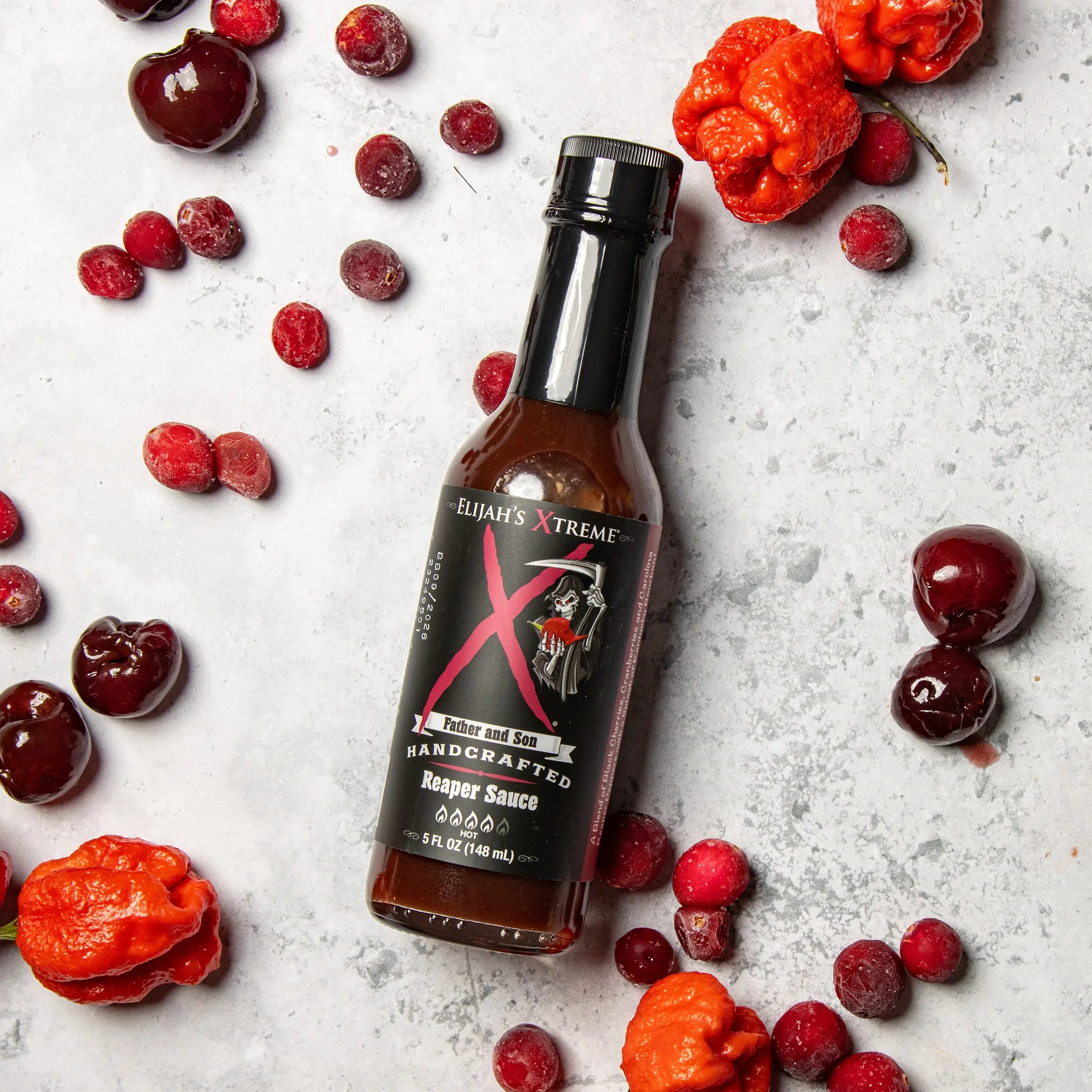
If you want flavor and heat without the junk, Elijah’s Xtreme is where you should start. These sauces balance taste, real ingredients, and pure spicy peppers’ firepower. From habanero peppers that give off fruity sweetness to wild Carolina Reaper blends that test your spice limits, we make every bottle with real peppers, not artificial flavors.
Over 500,000 spicy customers give Elijah’s a 4.9-star review for a reason. These sauces aren’t watery or one-dimensional. They’re perfectly thick and flavorful, made for people who truly love spicy foods. Our motto sums it up best: “No Fluff, Just Fire and Flavor.”
If you’re using hot sauce to reap the benefits, this is your safe go-to: naturally made, low in salt, and high in quality chili peppers that deliver potential health benefits without worry.
Frequently Asked Questions
Does Hot Sauce Help You Live Longer?
Some studies say people who eat more spicy foods might live longer. It could be because of better heart health or fewer illnesses, but experts say more studies are needed.
Can Hot Sauce Make Ulcers Worse?
It won’t cause ulcers, but could irritate one temporarily. So if your stomach hurts, back off the heat for a few days.
What’s a Safe Daily Intake of Hot Sauce?
Use a teaspoon per meal to get the benefits without overloading on salt. Some sauces, like Elijah’s Xtreme, are low in sodium, so they’re perfect for those watching their blood pressure.
Does Hot Sauce Help With Weight Loss?
Yes, thanks to capsaicin’s ability to boost metabolism and control hunger, it can aid in weight management and help you lose weight when combined with a healthy diet.
Conclusion
So, is hot sauce good for you? For the most part, yes. When you eat spicy foods made with real chili peppers, you get natural benefits like faster metabolism, reduced inflammation, stronger heart health, and healthy cell protection.
Just have them in moderation, avoid super salty ones, and choose hot sauces with natural ingredients, flavor, and heat. With Elijah’s Xtreme, you can add spice to your life, help your body feel more alive, and actually enjoy the potential benefits of eating spicy every day, all while keeping your meals exciting and setting your taste buds on fire.
References
- Effects of Capsaicin and Capsiate on Energy Balance: Critical Review and Meta-analyses of Studies in Humans, 2012, Chemical Senses (Oxford Academic)
- Chili Pepper Consumption and Cardiovascular Mortality, 2019, Journal of the American College of Cardiology (JACC)
- Topical capsaicin for pain in osteoarthritis: A literature review, 2016, Reumatología Clínica